

Toyota Hilux (2026)
Expected Launch: 28 July 2026
Expected Price: ₹30–38 lakh (ex-showroom)
Highlights
- Completely redesigned exterior
- New premium cabin
- Mild-hybrid diesel engine
- Toyota Safety Sense (ADAS)
- Improved off-road capability
Rivals
- Isuzu V-Cross
- Jeep Gladiator (if launched)
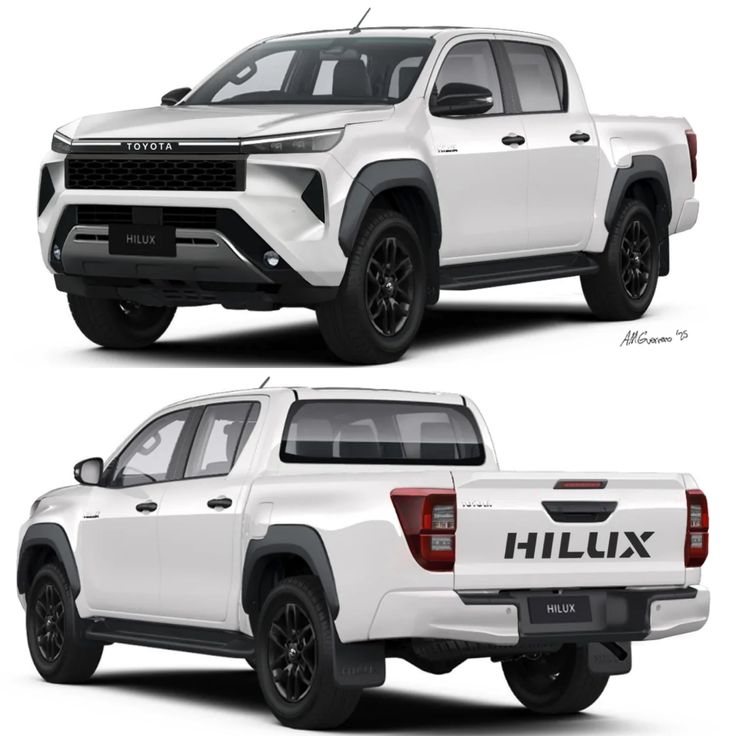
Toyota is all set to introduce the 2026 Hilux, bringing a fresh design, a more premium cabin, and several technology upgrades while retaining the rugged DNA that has made the Hilux one of the world’s most trusted pickup trucks. The updated model is expected to feature a redesigned front fascia with slimmer LED headlights, a larger grille, new alloy wheels, and a tougher overall stance that gives it an even stronger road presence.
Inside the cabin, the 2026 Hilux is expected to receive a major overhaul with a modern dashboard inspired by Toyota’s latest SUVs. A large 12.3-inch touchscreen infotainment system, a fully digital 12.3-inch instrument cluster, wireless Apple CarPlay and Android Auto, wireless charging, USB-C ports, and connected car technology are likely to make the pickup feel significantly more premium than before.
Under the hood, Toyota is expected to continue offering its proven 2.8-litre turbo-diesel engine, producing up to 204 PSand 500 Nm of torque, paired with either a 6-speed manual or a 6-speed automatic transmission. Some global markets are also expected to receive a 48V mild-hybrid diesel system, which improves fuel efficiency and delivers smoother acceleration. Whether this technology will be offered in India at launch is yet to be officially confirmed.
The Hilux’s biggest strength remains its off-road capability. The 2026 model is expected to feature an improved 4WD system, Multi-Terrain Select, an electronic locking differential, Hill Descent Control, and revised suspension tuning to deliver even better performance across rough terrain. Whether it’s rocky trails, muddy tracks, or long overlanding adventures, the Hilux is designed to tackle challenging conditions with confidence.
Safety is also expected to receive a significant upgrade, with higher variants likely to offer Toyota Safety Sense (ADAS), including Adaptive Cruise Control, Lane Departure Alert, Automatic Emergency Braking, along with multiple airbags, Vehicle Stability Control, and other advanced safety technologies.
With its blend of legendary reliability, modern technology, premium comfort, and unmatched off-road capability, the 2026 Toyota Hilux is shaping up to be one of the most exciting lifestyle pickup truck launches of the year. It is expected to arrive in India around July 2026, with prices likely to start at approximately ₹35 lakh (ex-showroom).
MG Starlight 560
Expected Launch: 16 July 2026
Expected Price: ₹20–27 lakh
Highlights
- Premium family SUV
- Large panoramic sunroof
- Connected car technology
- ADAS safety suite
- Spacious cabin with premium interiors
MG is preparing to expand its SUV lineup with the Starlight 560, a premium three-row SUV expected to become one of the brand’s most significant launches in India. Based on the globally sold Wuling Starlight 560, the upcoming model is expected to combine a spacious cabin, plug-in hybrid technology, and a long list of premium features, making it a strong rival to SUVs like the Tata Safari, Mahindra XUV700, and Hyundai Alcazar.
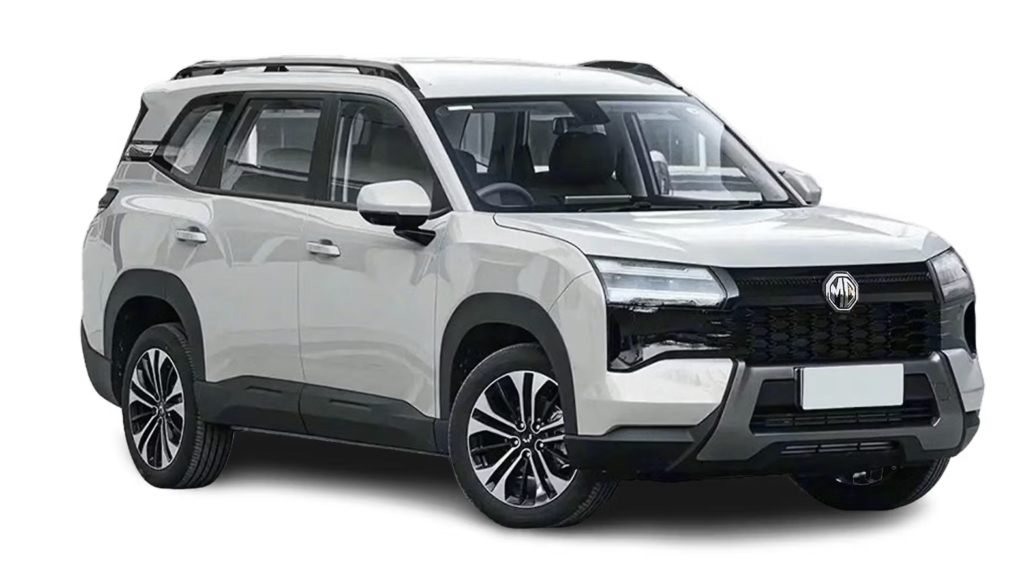
The exterior design follows MG’s latest styling language with sleek LED headlamps, a bold front grille, flush door handles, connected LED tail lamps, and a clean yet muscular profile. Measuring around 4.75 metres in length, the SUV offers a commanding road presence while maintaining a modern and aerodynamic appearance.
Inside, the Starlight 560 is expected to offer a premium cabin loaded with technology. A 12.8-inch touchscreen infotainment system, an 8.8-inch digital driver’s display, wireless Apple CarPlay and Android Auto, wireless phone charging, a panoramic sunroof, powered and ventilated front seats, automatic climate control, and connected car features are likely to be part of the package. With three rows of seating, the SUV is expected to provide a comfortable and practical experience for larger families.
One of the biggest highlights of the MG Starlight 560 is its plug-in hybrid (PHEV) powertrain. Internationally, it combines a 1.5-litre petrol engine with an electric motor and a 20.5 kWh battery pack, producing a combined 194 bhpand 230 Nm of torque. The system is claimed to deliver around 100 km of pure electric driving range and a total driving range of over 1,000 km, offering an excellent balance of performance and fuel efficiency.
Safety is also expected to be a major focus, with features such as six airbags, tyre pressure monitoring, electronic stability control, a 360-degree camera, and advanced driver assistance systems (ADAS) likely to be offered on higher variants. These features are expected to position the Starlight 560 among the safest SUVs in its segment.
The MG Starlight 560 is expected to make its India debut in 2026, with prices likely to start at around ₹20 lakh (ex-showroom). If MG launches the SUV with competitive pricing and the international-spec hybrid technology, it has the potential to become one of the most compelling premium family SUVs in the Indian market.
Maruti Suzuki Brezza (2026)

Expected Launch: 23 July 2026
Expected Price: ₹8.9–14 lakh
Highlights
- Updated exterior styling
- Larger infotainment system
- 360° camera
- Hybrid technology (expected)
- Improved fuel efficiency
Maruti Suzuki is preparing to give its best-selling compact SUV a significant refresh with the 2026 Brezza Facelift. While the overall silhouette remains familiar, the updated model is expected to receive a sharper design, a more feature-rich cabin, and several technology upgrades to keep it competitive against rivals like the Tata Nexon, Kia Sonet, Hyundai Venue, and Mahindra XUV 3XO. The facelift is expected to launch in July 2026.
On the outside, the 2026 Brezza is likely to feature a redesigned front grille, revised LED headlamps, updated front and rear bumpers, fresh alloy wheel designs, and subtle styling tweaks that give the SUV a more modern and premium appearance. Although it won’t be a complete redesign, these updates are expected to make the Brezza look sharper and more contemporary.
The cabin is expected to receive some of the biggest upgrades. Spy shots suggest the SUV could get a larger 10.25-inch touchscreen infotainment system, a refreshed dashboard layout, a fully digital instrument cluster, ventilated front seats, wireless smartphone connectivity, a 360-degree camera, and connected car technology. Higher variants may also offer front parking sensors and additional comfort features to improve the overall ownership experience.
Under the hood, Maruti Suzuki is expected to continue offering the reliable 1.5-litre K-Series petrol engine, paired with manual and automatic transmission options. However, industry reports also suggest that a new 1.0-litre turbo-petrol engine and a 6-speed manual gearbox could be introduced on select variants, offering improved highway performance and better fuel efficiency. The CNG version is also expected to continue, with reports indicating a revised under-floor cylinder layout to free up more boot space.
Safety is also likely to receive a notable boost. Along with six airbags, Electronic Stability Program (ESP), Hill Hold Assist, ABS with EBD, and a 360-degree camera, higher variants are expected to introduce additional driver assistance features. While Level 2 ADAS has been widely speculated, Maruti Suzuki has not officially confirmed its availability.
With its refreshed styling, upgraded technology, practical engine options, and Maruti Suzuki’s trusted reliability, the 2026 Brezza is expected to strengthen its position in India’s highly competitive compact SUV segment. Prices are likely to start from around ₹9 lakh (ex-showroom), making it an attractive choice for buyers looking for a feature-packed and fuel-efficient urban SUV.
Mahindra Bolero (2026)
Expected Launch: August 2026
Expected Price: ₹10–12 lakh
Highlights
- All-new generation
- Modern design with LED lighting
- More powerful diesel engine
- Better ride comfort
- New infotainment system
Mahindra is gearing up to introduce the all-new 2026 Bolero, bringing the biggest update in the SUV’s history. While the Bolero has long been known for its rugged build, reliability, and practicality, the next-generation model is expected to combine these strengths with a more modern design, improved comfort, and advanced technology. The new Bolero is expected to appeal to both rural and urban buyers while continuing its reputation as one of India’s toughest utility vehicles.
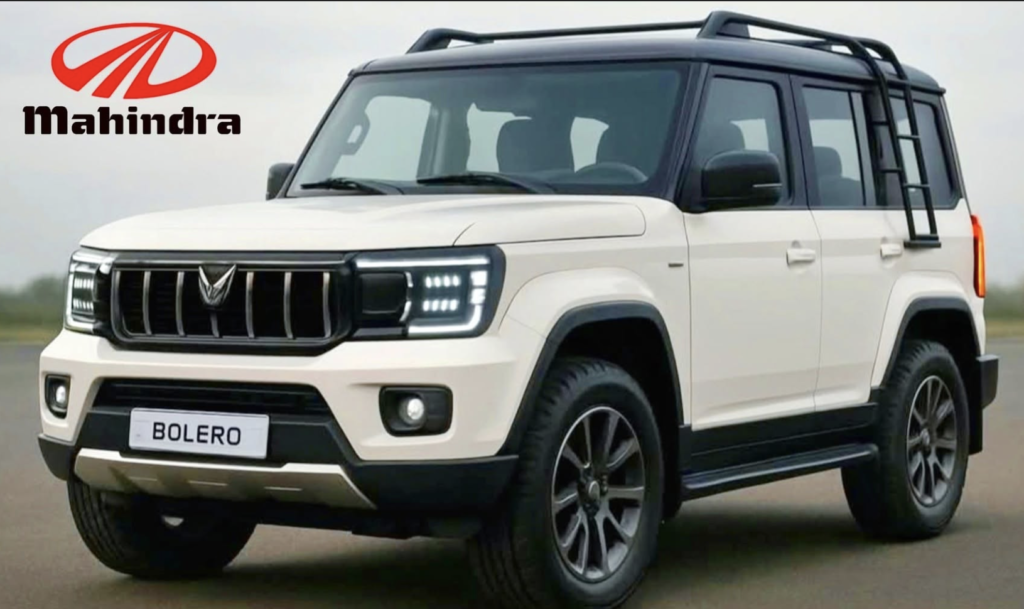
The exterior is likely to receive a complete redesign inspired by Mahindra’s latest SUVs. Spy reports and industry speculation suggest the SUV could feature a bold front grille, redesigned LED headlamps with LED DRLs, a more muscular bumper, squared-off wheel arches, stylish alloy wheels, and connected LED tail lamps. Despite the modern styling, the Bolero is expected to retain its signature boxy silhouette, ensuring it continues to look rugged and capable on every road.
Inside, the 2026 Bolero is expected to undergo a major transformation. The cabin could feature a larger touchscreen infotainment system with wireless Apple CarPlay and Android Auto, a semi-digital instrument cluster, automatic climate control, steering-mounted controls, rear AC vents, USB-C charging ports, and higher-quality materials throughout the cabin. Mahindra is also expected to improve seat comfort and cabin insulation, making long journeys more comfortable than ever before.
Under the hood, the new Bolero is expected to continue with Mahindra’s trusted diesel powertrain, although a more refined and BS7-ready engine is likely. Industry reports also suggest Mahindra could introduce a petrol or hybrid powertrain at a later stage as emission regulations become stricter. Both manual and automatic transmission options are expected to be offered, giving buyers more flexibility than the current model.
Safety is expected to be a major focus on the 2026 Bolero. The SUV is likely to feature six airbags, Electronic Stability Control (ESC), Hill Hold Assist, ABS with EBD, rear parking sensors, a reverse camera, tyre pressure monitoring, and ISOFIX child-seat mounts as standard or on higher variants. While advanced driver assistance systems (ADAS) have been rumoured, Mahindra has not officially confirmed whether they will be available on the Bolero.
Built on a stronger and more modern platform, the 2026 Bolero is expected to deliver better ride quality, improved handling, and enhanced crash protection while maintaining the durability that has made it a favourite in both urban and rural markets. With its combination of rugged capability, updated styling, modern features, and Mahindra’s trusted reliability, the 2026 Mahindra Bolero is shaping up to be one of the most anticipated SUV launches of the year. Prices are expected to start at around ₹10 lakh (ex-showroom), although Mahindra is yet to announce official pricing or launch details.
Volkswagen Tera
Expected Launch: September 2026
Expected Price: Around ₹8–12 lakh
Highlights
- Compact SUV
- Turbo-petrol engine
- Digital cockpit
- Wireless Android Auto & Apple CarPlay
- Advanced safety features
Volkswagen is preparing to expand its global SUV lineup with the Tera, a stylish compact crossover that is expected to become the brand’s most affordable SUV in several markets. Originally introduced in Brazil, the Tera has also sparked interest in India, where it could eventually arrive as Volkswagen’s entry-level SUV based on the MQB A0 platform. While the company has not officially confirmed an India launch, industry reports suggest the model is being evaluated for the Indian market.
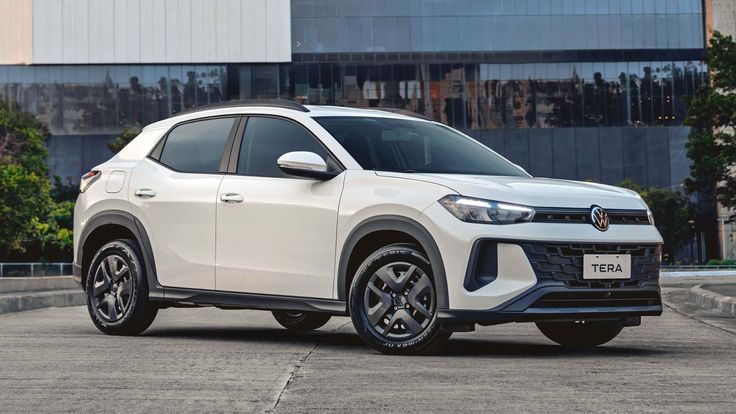
The Volkswagen Tera features the brand’s latest design language with sleek LED headlamps, a wide front grille, muscular wheel arches, sharp character lines, and stylish alloy wheels. At the rear, connected-style LED tail lamps and a sporty bumper give the SUV a modern and premium appearance. Despite its compact dimensions, the Tera offers a confident road presence that aligns with Volkswagen’s global SUV family.
Inside the cabin, the Tera is expected to offer a clean, driver-focused layout with a floating touchscreen infotainment system, a digital instrument cluster, wireless Apple CarPlay and Android Auto, automatic climate control, wireless phone charging, connected car technology, and multiple USB-C charging ports. Volkswagen is also likely to focus on premium materials and solid build quality, making the Tera one of the more upmarket offerings in the compact SUV segment.
Under the hood, the India-spec Tera is expected to be powered by Volkswagen’s familiar 1.0-litre TSI turbo-petrol engine, producing around 115–118 PS and 178 Nm of torque. The engine is likely to be paired with a 6-speed manual or a 6-speed automatic transmission, delivering a balance of performance, refinement, and fuel efficiency. The same powertrain has already proven itself in other Volkswagen and Skoda models sold in India.
Safety is expected to be one of the Tera’s biggest strengths. The SUV is likely to offer six airbags, Electronic Stability Control (ESC), ABS with EBD, Hill Hold Assist, a tyre pressure monitoring system, rear parking sensors, a reverse camera, and a strong body structure based on Volkswagen’s MQB architecture. Depending on the variant, additional driver assistance features could also be introduced.
If launched in India, the Volkswagen Tera is expected to compete with the Maruti Suzuki Brezza, Kia Sonet, Hyundai Venue, Mahindra XUV 3XO, Tata Nexon, and Skoda Kylaq. With its premium European styling, refined turbo-petrol engine, and Volkswagen’s focus on driving dynamics and safety, the Tera could become a strong contender in the highly competitive compact SUV segment. Prices are expected to start from around ₹9 lakh (ex-showroom), although Volkswagen has yet to officially announce its India launch plans.
Tata Sierra EV
Expected Launch: Late 2026
Expected Price: Around ₹15–20 lakh
Highlights
- Iconic Sierra nameplate returns as an EV
- Large touchscreen infotainment
- Panoramic glass roof
- Advanced ADAS features
- Long-range electric powertrain
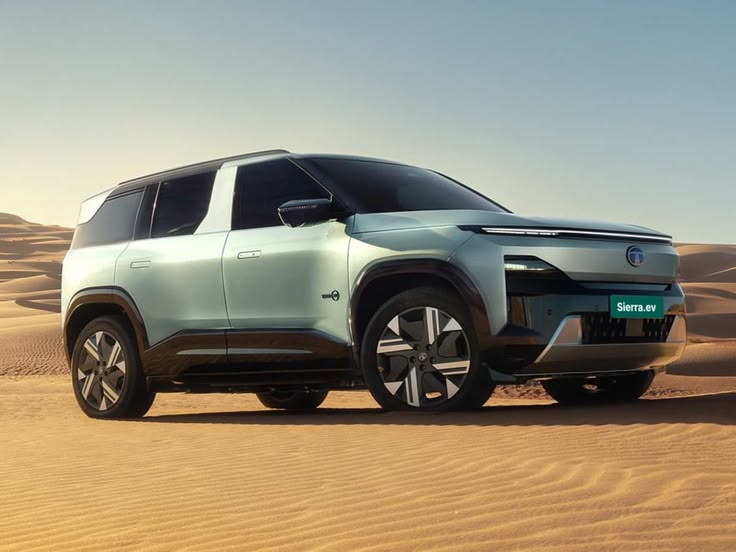
Tata Motors has revived one of its most iconic nameplates with the Tata Sierra EV, blending nostalgic design with cutting-edge electric vehicle technology. Built on Tata’s advanced acti.ev platform, the Sierra EV is designed to offer premium comfort, long driving range, and modern features while retaining the bold character that made the original Sierra a legend. Positioned as a premium electric SUV, it is set to compete with rivals such as the Mahindra BE 6, Hyundai Creta Electric, and MG ZS EV.
The exterior design pays tribute to the original Sierra while embracing a futuristic look. It features connected LED DRLs, bi-LED headlamps, flush door handles, 19-inch alloy wheels, illuminated charging port, and the signature wraparound rear-quarter glass that made the original Sierra instantly recognizable. The SUV also gets a powered clamshell tailgate and a bold, muscular stance, giving it a distinctive road presence.
Inside, the Sierra EV offers one of the most premium cabins ever seen in a Tata SUV. The dashboard is dominated by a triple-screen layout, complemented by a panoramic sunroof, ventilated front seats, wireless Apple CarPlay and Android Auto, a premium audio system, dual-zone climate control, wireless phone charging, connected car technology with OTA updates, and multiple USB-C charging ports. The spacious cabin and high-quality materials further enhance the luxury experience.
Powering the Sierra EV are 63 kWh and 75 kWh battery pack options, with a claimed driving range of up to 665 km (MIDC) depending on the variant. The SUV supports 120 kW DC fast charging, allowing the battery to charge from 20% to 80% in approximately 26 minutes. Higher variants are also expected to feature a dual-motor all-wheel-drive setup, delivering stronger performance and improved capability across different driving conditions.
Safety remains a major highlight of the Sierra EV. It is equipped with six airbags, Electronic Stability Control (ESC), a 360-degree camera, front and rear parking sensors, tyre pressure monitoring, and a comprehensive Level 2 ADAS suite that includes Adaptive Cruise Control, Lane Keep Assist, Automatic Emergency Braking, and other advanced driver assistance features. These technologies are expected to make the Sierra EV one of the safest electric SUVs in its segment.
With its retro-inspired styling, advanced electric powertrain, premium interior, and feature-packed technology, the Tata Sierra EV marks a significant step forward for Tata Motors’ EV portfolio. Prices in India start at ₹18.79 lakh (ex-showroom), making it a compelling option for buyers looking for a stylish, practical, and long-range electric SUV that combines heritage with modern innovation.
Stay tuned for more updates as we bring you the latest news, launches, reviews, and exclusive insights from the automotive world.